


Many people feel a strong pull toward Ireland because of family stories passed down over time. A last name, an old photo, or a grandparent’s memory can spark the idea of a heritage trip. This kind of travel feels different from a normal vacation. It feels personal. If you are planning to visit Ireland to learn more about where your family came from, a little preparation can make the experience more meaningful and less stressful. Knowing what to expect before you go helps you enjoy the journey and stay focused on what matters most.
Understanding Your Irish Roots Before You Travel
Before booking flights or hotels, it helps to understand how your family connects to Ireland. For many travellers, that connection comes through grandparents. Irish ancestry often links back to specific towns or rural areas rather than large cities. Learning these details early can shape your plans and help you choose places that feel more personal.
Start by gathering basic information like names, dates, and locations. Even one town or county can change how you plan your route. You do not need a full family tree before you go. A general idea of where your family lived is enough to begin.
As you research, you may also notice that some people can qualify for Irish citizenship through grandparents, depending on their family background. This is not something you need to worry about for travel, but it often comes up when people explore their heritage more deeply.
At this stage, focus on curiosity rather than answers. The goal is to understand your roots well enough to plan a trip that feels meaningful, not to solve every family question at once.
Researching Family History While Still at Home
Starting your research at home saves time once you arrive in Ireland. Talk to older family members if you can. Ask about birthplaces, churches, or counties. Even small details can point you in the right direction.
Online genealogy websites can also help. Many offer access to census records, immigration lists, and church documents. Write everything down in one place. Keep names spelt exactly as you find them, even if they look unusual. Irish records often vary in spelling.
Try to organise your notes by family line. This makes it easier to explain your story when you speak to local historians or archive staff later.
Choosing the Right Places to Visit Based on Ancestry
Ireland is small, but family history often connects to very specific locations. Counties matter. Parishes matter even more. A townland may only cover a few fields, yet it can hold generations of history.
If you know where your ancestors lived, plan to spend time there, even if it feels quiet or remote. These places often offer the strongest sense of connection. If you do not know exact locations, choose counties linked to your family name or migration records.
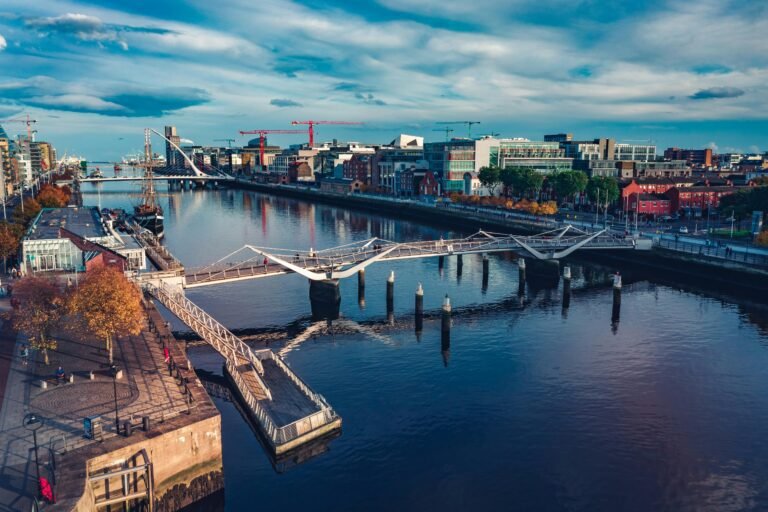
Balance heritage stops with well-known destinations. Dublin, Galway, and Cork still offer valuable cultural context, museums, and archives. Mixing both keeps the trip enjoyable and not overwhelming.
Visiting Irish Archives, Libraries, and Local Offices
Ireland offers many public resources for family research. National archives and libraries welcome visitors and often provide free access. Some local libraries also keep parish records, newspapers, and land registers.
When visiting archives, arrive with clear questions. Staff members want to help, but they work best with specific details. Bring copies of names and dates. Take notes as you go. Photography rules vary, so ask before taking pictures.
Do not expect instant answers. Some records no longer exist, and others take time to find. Patience goes a long way in these spaces.
Planning a Heritage-Focused Ireland Itinerary
A heritage trip needs a slower pace than a typical sightseeing tour. Plan days with one main goal instead of several. This leaves room for conversations, unexpected discoveries, or delays.
Transportation matters too. Trains and buses work well between cities, but rural areas often require a rental car. Roads can feel narrow if you are not used to them, so allow extra travel time.
Build rest days into your plan. Research can feel emotional and tiring. Balance it with walks, local meals, and time to reflect.
Talking to Locals About Your Family History
Many travellers worry about asking locals for help. In most cases, people enjoy hearing about family connections. Start conversations naturally. Mention a surname or a town name and see where it leads.
Some locals may know family histories well. Others may not, and that is okay. Avoid pressing for answers. Respect privacy and boundaries.
Listening matters as much as asking questions. Stories often reveal cultural context even if they do not confirm family ties.
What to Pack and Prepare for a Heritage Trip
Bring copies of important documents like birth certificates, family trees, and old letters. Keep digital backups on your phone or cloud storage.
Comfortable walking shoes help more than you might expect. Archives, towns, and cemeteries involve more walking than planned. A small notebook works well for quick notes.
Technology helps too. A phone with maps, translation apps, and camera access makes research easier. Travel insurance adds peace of mind, especially when plans change.
Turning a Heritage Trip Into a Deeper Connection
Many people find that one heritage trip leads to another. You may return home with new questions rather than final answers. That is normal.
Stay connected after your visit. Follow up with archives, keep in touch with people you meet, and organise your notes. Your understanding will grow over time.
Some travellers return to Ireland with family members later. Others continue research from home. Both paths keep the connection alive.
Visiting Ireland to explore your heritage does not need to feel rushed or perfectly planned. Some answers may come easily, while others may take time or remain unclear. What matters most is showing up with curiosity and patience. Walking the same roads your family once knew, spending time in small towns, and speaking with locals can bring a sense of connection that goes beyond records or documents.
With a bit of preparation and an open mindset, a heritage trip to Ireland can leave you with lasting memories and a deeper understanding of where your story began.