



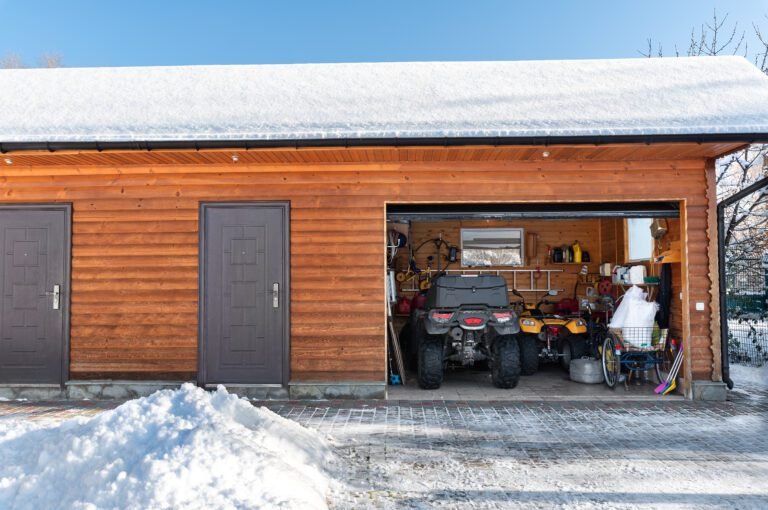
Getting your garage ready for winter isn’t just about cleaning the floor; it’s about how you keep your tools in shape and protect your gear. Freezing weather, condensation, and humidity swings can rust metals, bend wood, and ruin power tools. Luckily, you don’t need to spend a fortune or remodel the entire place to turn your garage into a spot where tools survive winter stress-free.
Many people don’t realize how much winter can damage items left in the garage. Once the cold sets in, metal surfaces and interior drawers begin to absorb moisture. That’s how rust and corrosion show up. Even if your garage feels sealed up tight, if the walls and doors aren’t insulated, humidity can spike and drop in waves.
Those little issues add up. Tools that start to rust become risky to use, battery packs lose juice quicker, and wood handles start to crack from repeated drying and swelling. So, getting the garage winter-ready is about making sure your equipment still works when you need it, and it’s safe to use.
Insulate the Garage for Optimal Tool Protection
Insulation is your first defense against freezing weather. A properly insulated garage holds a steadier temperature, so you’re less likely to see water droplets forming on tools or shelves. People usually pick between fiberglass batts, spray foam, or rigid foam boards – each has its ups and downs in price, the way it insulates, and the installation process.
If you’re keeping things like woodworking tools, miter saws, or anything delicate, keeping the temperature steady is even more important. Good insulation means you can plug in a heater unit if you really need it, and not worry about sudden cold snaps.
Storage Smarts: Keep Your Tools Off the Cold Floor
How you store tools matters as much as how warm your garage is. Hang up what you can – on slatwall, pegboard, or heavy hooks – so everything stays up and off a wet floor. Otherwise, tools end up sitting in puddles from melting snow off the car’s tires.
Small hand tools do better in metal or tough plastic drawer systems, especially if you toss in some silica gel packs to suck up any extra moisture. Label stuff so you’re not fumbling with cold fingers looking for the right wrench.
Choose Storage Solutions That Survive Winter
Some shelving isn’t suitable for freezing garages. Wood absorbs moisture and bends; cheap plastic cracks in cold weather. Heavy-duty metal parts storage drawers lasts the longest in cold, dry conditions; if it’s powder-coated, you don’t have to worry much about rust even if the air is damp.
Storing things like paint or oil? Closed, insulated metal cabinets beat open shelves. Paint can split if it freezes, so keeping it out of the cold helps you avoid tossing half the cans next spring.
Take Care of Power Tools and Their Batteries
Power tools take a beating if they’re left in the cold. Lithium batteries especially hate it – they drain fast and won’t hold a charge if they’re frozen more than once or twice. Best bet is to bring them inside, but if that’s not possible, use thick toolboxes or cabinets and some mild heating pads or insulation sleeves built for winter.
Before putting power tools away, give everything a quick clean and make sure it’s dry. Water that freezes inside a drill or saw can crack something expensive. A light coat of machine oil on metal bits wards off rust and keeps stuff moving smoothly.
Seal Drafts and Keep Moisture Out
All that insulation won’t help if cold air leaks through every gap. Drafts usually come in around the door, windows, or cracks where pipes and wires run out. Weatherstripping the big garage door goes a long way – new rubber or vinyl strips hug tight, but the door still moves easily.
Then there’s sneaky water getting in through cracks. Plug these spots with outdoor caulk, and you’ll see less humidity drifting in and fewer damp spots around your tools. If your garage sits downhill, a threshold strip or a small trench right outside the door can keep meltwater from getting inside, too.
Using Heaters and Dehumidifiers, If Needed
If you live in an area where things freeze hard, a small electric heater on low can make a difference. Don’t use propane heaters unless they’re specifically for indoors, since they make the garage humid and need solid ventilation.
Some garages trap humidity, especially when they’re built beside kitchens or laundry rooms. In that case, a plug-in dehumidifier keeps metal tools dry and keeps rust and mold away. It’s a simple prevention that pays off.
Check In Once in a While
Prepping your garage for winter isn’t a one-day job. Take a quick look every month: check for wet spots, touch up stripping as needed, wipe down metal tools if you see any moisture. Even just a simple digital temperature and humidity reader can let you know if things are getting off track, so you can sort it out before anything rusts or swells.
Winter Storage Upgrades at a Glance
| Storage Upgrade | Benefits | Best For |
| Insulated cabinets | Temperature stability, moisture protection | Power tools, chemicals |
| Steel shelving | Durability, rust resistance | Heavy items, bins |
| Silica gel packs | Reduces humidity in small spaces | Toolboxes, drawers |
| Wall-mounted systems | Elevates tools, maximizes space | Hand tools, sports gear |
| Dehumidifier | Controls moisture | Any climate-prone garage |
Conclusion
Getting your garage prepped for winter will save you money and headaches later. Add insulation, seal up the cracks, rethink tool organization, go for stronger storage pieces, and keep an eye on moisture. Tools stay in better shape, you’re not stuck with ruined gear, and your workspace feels ready whenever you need it. A little steady upkeep, and your garage won’t let you down, no matter how harsh the winter is going to be.