



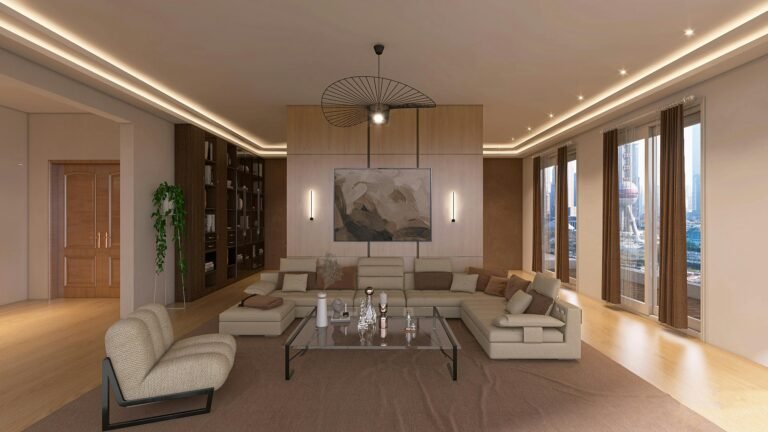
Have you ever walked into a picture-perfect room online and wondered how anyone actually lives in it? Home décor today sits at an odd crossroads, partly shaped by social media perfection and partly by the collective craving for practical comfort. In a time when people are rethinking everything from workspaces to living habits, the idea of balancing beauty and real-life usability matters more than ever. In this blog, we will explore what that balance looks like.
The Modern Pressure to Make Homes Look “Showroom Ready”
Over the past few years, people have spent more time at home, which has transformed interior design into something surprisingly competitive. Trends spread faster, expectations rise higher, and many feel a quiet pressure to prove their taste through curated spaces. Yet the more polished décor becomes, the more obvious the gap between staged perfection and actual living. This tension shows up everywhere, from minimalist setups that hide clutter to rooms that look like they were assembled only for a photoshoot.
That gap has pushed people to rethink how they decorate. Instead of chasing every aesthetic trend, many want homes that feel warm, safe, and personalized. Comfort is no longer considered a lack of style but a form of intentional living that reflects daily routines, mental wellness, and even the economic shift toward practical spending. A home that supports your lifestyle often ends up being more beautiful than one designed only for admiration.
Choosing Function First Without Losing Style
The conversation about comfort versus beauty becomes even louder during extreme seasons, especially when temperatures rise and households rely on cooling systems to stay sane. Many people are learning that functional maintenance is part of good décor, which is why some are quick to call the professionals for AC repair when their home starts feeling stuffy or uncomfortable. A well-functioning home builds the foundation for a well-styled home, because décor cannot shine when basic needs are neglected.
Function does not overpower beauty when you use it wisely. People today are gravitating toward furniture and materials that last, not only because of inflation but also because sustainability has become a real conversation. Pieces made from natural fibers, sturdy woods, or recycled materials support a lifestyle that values comfort and longevity. The result is a more grounded decorating style that blends softness with practicality. The shift reflects a cultural moment where people want meaning behind their choices instead of chasing fast-fading aesthetics.
Finding the Sweet Spot Between Aesthetic Trends and What You Actually Use
Design cycles move faster now because online platforms continuously refresh what is seen as “in.” That can make people doubt their own preferences, even when the décor they love is perfectly functional. Instead of instantly adopting trends, it helps to ask whether a trend supports how you live. A curved sofa is beautiful in theory but feels less impressive if it leaves no room to walk. A glass coffee table photographs well yet becomes frustrating if fingerprints appear every few hours. Beauty and practicality are not enemies; they just need honest evaluation.
A smart way to balance both is to treat trends as accessories rather than commitments. It is easier to experiment with a patterned throw pillow or a new color palette than to overhaul an entire room. These updates keep a space fresh without disrupting comfort. They also give you the freedom to adjust as personal tastes mature or as social trends shift. This approach mirrors a broader movement in society where people value flexibility, knowing that life changes too often to build spaces around rigid ideas.
Comfort as a Sign of Emotional Stability Rather Than a Design Compromise
The rise in conversations about mental wellness has influenced décor in ways few expected. People now see comfort not as indulgent but as necessary. Soft textures, warm lighting, and functional layouts are tools for emotional regulation, especially in a world that feels unstable at times. Even the surge in cozy aesthetics such as “quiet luxury” or “soft minimalism” reflects a desire for environments that calm rather than overwhelm. Décor decisions are now interwoven with personal healing, rest, and stability.
This shift challenges the outdated idea that comfort cheapens a space. In reality, comfort elevates it by making it livable. A beautiful room loses its charm when you hesitate to sit on a sofa or walk across a rug. When you prioritize how a space feels, you create a home where guests relax easily and you recharge without effort. This is the kind of beauty that lasts because it grows with the rhythms and demands of daily life.
How to Build a Home That Looks Good and Feels Good
One practical strategy is choosing décor that supports natural movement. A room should allow you to navigate it without squeezing through tight corners. Storage is another powerful tool because visual clutter reduces comfort even in the most stylish spaces. Baskets, shelving, ottomans with hidden compartments, and furniture with built-in storage help maintain a clean aesthetic while keeping daily items close. These small decisions create a peaceful environment that supports both function and design.
Material choice also affects long-term satisfaction. Furniture upholstered in durable fabrics or rugs that hide wear allow you to live comfortably without constantly worrying about stains or scuffs. This approach matches wider consumer trends where people consider longevity, ethical production, and lifestyle fit before buying. A home is not a museum and does not need to feel fragile to appear elegant.
Letting Your Home Evolve With You Instead of Chasing Perfection
Life changes fast, and décor that adapts easily helps a home stay useful and attractive. A flexible room setup reflects the modern desire for multi-use spaces that shift from work to rest as needed. People who avoid locking themselves into rigid design ideas find their homes feel more balanced and welcoming. This approach mirrors a larger cultural trend toward valuing fluidity in careers, schedules, and personal identities.
Balancing beauty and comfort is less about choosing one over the other and more about understanding how each supports your lifestyle. When you intentionally combine them, your home becomes a place where you feel grounded, inspired, and at ease. It becomes a reflection of your needs rather than an imitation of passing trends. A space that embraces both comfort and style becomes a place where you can truly live, not just exist.