



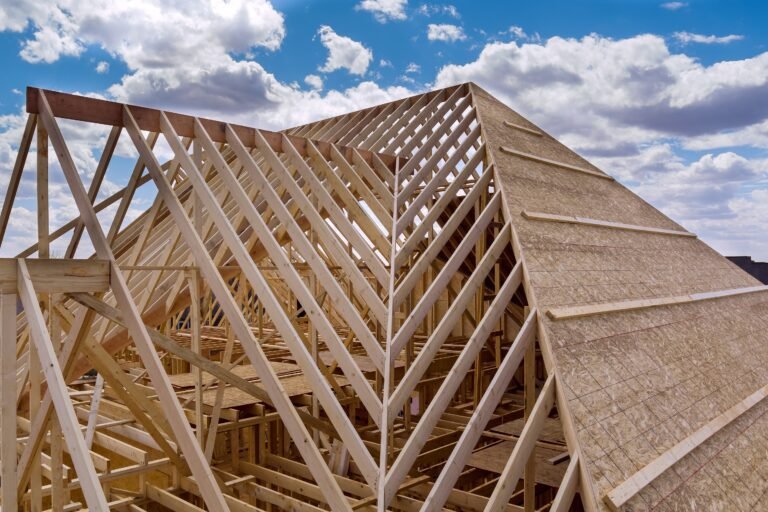
When most buildings require roof hatches, it’s like getting a light switch: a general option gets selected from a catalog and ordered. The hatch gets installed to pass inspection and then it’s out of sight, out of mind, until there’s a problem.
The problem is that “standard” roof hatches are made for “standard” use in standard buildings, and one thing that buildings aren’t, ever, is standard. A roof hatch that meets an average commercial structure’s needs in Phoenix could be worlds apart from the needs of a similar facility in Minneapolis. Conversely, a roof hatch that accommodates typical rooftop maintenance traffic could be the precursor to disaster for a building with extensive rooftop MEPS.
And the problem is, these situations don’t often resolve themselves until months or years later. Whether it’s complications from weather erosion, inaccessibility of maintenance, or quiet overages on energy bills, many issues develop overtime from standards that should have been avoided in the first place.
Pre-Cut Dimensions That Don’t Match
Most standard roof hatches come in pre-cut sizes around either 30 inches by 36 inches or 36 inches by 36 inches. These dimensions provide a decent amount of access for many situations, which is exactly why they were made standard in the first place. But buildings often present strange quirks that don’t accommodate catalog solutions.
For example, older buildings will have poor alignment with standards. Decades old hatch structures weren’t created with current hatch standards in mind. The access point may be slightly larger or smaller than dimensions. Neither cutting through structural members (not a good idea) or creating significant amounts of framing to accommodate a change is good practice.
An accessibility example is equipment replacement. A 30-inch opening may work for code compliance for life safety egress, but it’s not going to get a replacement HVAC motor through there. Maintenance crews are stuck hauling external ladders up to get equipment to the roof, crane-lifting at exorbitant rates, and all because due consideration wasn’t given to what’s going to need to get through that hatch over the course of a building’s lifetime.
Additionally, buildings with specific architectural elements make things worse. Structures with taller-than-average parapet walls relative to roof hatch curb heights, or roofing material that requires specific flashing requirements (that standard hatches don’t provide), have complications with research options. Instead, going with a custom roof hatch that factors in these specific conditions can alleviate installation frustrations and long-term performance issues.
Weather Resistance
Hatch standards outline weather resistance, which is tested and rated – as average standards. But average does not equate to what your individual building will be facing.
For example, a structure on the coast will experience salt air corrosion the likes of which its interior counterparts will never see. While standard finishes for aluminum may work in dry settings, when operators start peeling back layers and encountering corrosion much faster than anticipated (thanks to constant salt spray), it’s rendered ineffective. The same is true for gaskets and seals on standard hatches, which may work in moderate climates but fail prematurely in regions with extremely hot or cold weather.
One thing that general specifications discuss but avoid specifying is snow loading. The catalog might indicate “typical snow loading” as a threshold for suitability but what does that mean for those structures in regions that get pummeled by lake-effect snow? A roof hatch that’s structurally sufficient for 20 pounds per square foot might be a danger when almost three times that amount rests on the roof assembly at any given point.
In terms of wind, it’s even more complicated. A roof hatch can be rated for x amount of winds; however, it may fail to acknowledge topography variables. Is the building in an exposed hilltop condition? Does it have neighboring structures bringing down wind pressure? Are there overhangs? Roof hatch counterbalance safety mechanisms might work perfectly fine with moderate winds but be impossible or dangerous for operations during extreme winds, something well-known for the construction site but disregarded by catalog options.
Insulation & Energy Efficiency Gaps
Standard roof hatches meet minimum insulation requirements, which sounds fine until one considers what “minimum” insulation actually means relative to energy costs over time. An R-value of 5 or 6 may be compliant with building codes; however, it’s still creating a thermal bridge within the roofing assembly.
Yet this matters more in some situations than others, warehouses with little climate control need not worry about exquisite hatch insulation compared to facilities where temperatures must remain stable, like food processing, pharmaceutical manufacturing, cold storage, and it’s here where significant dollars are lost due to subpar insulation through roof access points.
The problem compounds for those buildings invested in high-performance envelope systems; after investing in spray foam insulation and high-R roofing assemblies, cutting a hole with a standard hatch means the hatch has lower insulation value than everything else created, becoming the weakest link within the thermal envelope and causing condensation issues through ice dams, or just losing conditioned air straight to the outdoors.
Safety Features Overlooked by Standards
Building codes require minimum safety standards and standard hatches fulfill those minimums; however, minimum requirements do not equal adequate protection for your use case.
For example, how often will people be accessing this roof? If an area is only getting up there one or two times per year, for general inspection purposes, then it requires different safety accommodation than an area getting up multiple times per week for comprehensive maintenance purposes.
Standard ladders and guardrails accommodate for sporadic access; however, regular maintenance will benefit from reinforced access systems, better handrails, non-slip surfaces, perhaps even integrated safety equipment mounting points.
Furthermore, some facilities will have multiple people needing to access the roof at once, but standard hatches are intended for single-person use. This creates bottlenecks and problems when there’s a full maintenance crew trying to get work done efficiently but solutions require multiple trips, lifting equipment up from below, crane-lifting materials, all increasing risk and wasting time.
Installation Proficiency
Finally, most standard hatches come shipped as ready-to-install, which seems like a bonus. And it is, a great bonus, when it’s truly applicable based on site conditions. If not, it creates issues when installers start making field alterations.
Field alterations rarely improve anything at all, cutting and stretching curbs, modifying flashing details where they shouldn’t be modified, changing material application, each alteration is an unnecessary fail point. The hatch manufacturer’s warranty may not cover any field changes. Weather sealing that’s supposed to keep everything together may not function as desired. Hardware that’s meant to operate as part of one complete assembled system could have parts that don’t mesh.
Worse yet, field alterations happen under time constraints. If it’s scheduled today, it gets changed today; nobody wants to stop the job and order something else. Ultimately all of these problems created through forced implementation become someone else’s problems down the line.
What Makes Sense
Not every building needs a fully customized roof hatch; this is why standards exist, they serve most applications well enough. However, when a building’s requirements exceed the ability of standard solutions to properly accommodate them, this is when attention is warranted during specification.
Buildings in extreme climates where accessible necessities change; facilities requiring access for more equipment than an average roof hatch can accommodate; buildings with unique dimensions need consideration instead of something from a catalog. While upfront costs may seem more expensive, anticipated installation concerns often even out over time through energy performance benefits and long-term durability when proper considerations are made.
The roof hatch is an often-overlooked small component within the big picture of a comprehensive building system – it just gets thrown into the roof assembly as a door, and what’s so complicated about a door? Yet that door is a door in use for decades needing consistent performance through thousands of weather cycles providing accessible-safe maintenance performance while retaining thermal integrity without unforeseen complications developing from a lack of due diligence during planning stages.