


Rio de Janeiro isn’t just another beach destination—it’s a city where dramatic mountain landscapes meet turquoise waters, where centuries-old colonial architecture stands alongside modernist masterpieces, and where every neighborhood tells a different story. For design-conscious travelers seeking authentic cultural experiences beyond the typical tourist trail, Rio offers an unparalleled blend of natural beauty, architectural heritage, and creative energy that few cities can match.
1. Stunning Views That Redefine Urban Beauty
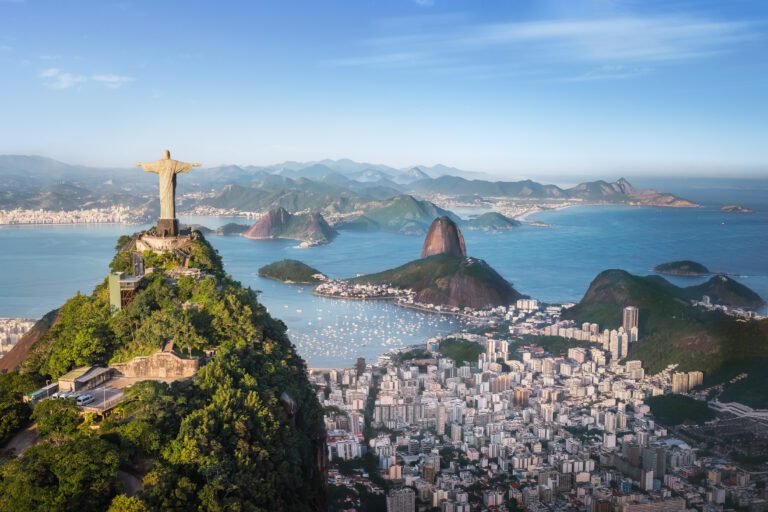
Rio’s geography is nothing short of spectacular. The city is framed by granite peaks that rise dramatically from the Atlantic Ocean, creating some of the most photographed urban vistas in the world. From the iconic Christ the Redeemer statue atop Corcovado Mountain to the cable car journey up Sugarloaf Mountain, Rio delivers jaw-dropping panoramas at every turn.
But the real magic lies in the lesser-known viewpoints: the Parque das Ruínas in Santa Teresa, where crumbling mansion walls frame sunset views over Guanabara Bay; the contemporary architectural wonder of Museu do Amanhã, whose structure seems to float above the harbor; and the winding roads through Tijuca National Forest, the world’s largest urban rainforest, where tropical wilderness meets cosmopolitan life.
2. Colonial Architecture and Historic Neighborhoods
Rio’s architectural heritage spans five centuries, offering design enthusiasts a visual feast of Portuguese colonial grandeur, neoclassical elegance, and Art Deco gems. The historic center showcases magnificent examples of Baroque churches like the Igreja de Nossa Senhora da Candelária and the gold-adorned São Francisco da Penitência.
The bohemian hilltop neighborhood of Santa Teresa preserves 19th-century mansions with colorful facades and intricate ironwork, connected by a vintage yellow tram that winds through cobblestone streets. Meanwhile, the cultural center Parque Lage, housed in a 1920s mansion at the foot of Corcovado, perfectly exemplifies Rio’s ability to repurpose historic architecture into contemporary cultural spaces.
3. World-Class Gastronomy Rooted in Culture
Rio’s culinary scene has evolved far beyond beach kiosks and churrascarias. The city now boasts multiple Michelin-starred restaurants while maintaining strong connections to traditional Brazilian cuisine. Contemporary chefs are reimagining feijoada, moqueca, and other regional classics with modern techniques and local ingredients sourced from the Atlantic Forest and nearby coastal waters.
From the sophisticated tasting menus at Oro and Lasai to the authentic boteco culture in neighborhoods like Lapa and Botafogo, Rio offers gastronomic experiences that reflect Brazil’s cultural diversity. The city’s street food scene—from tapioca crepes to açaí bowls—provides delicious insights into Carioca daily life.
4. Vibrant Art and Design Scene
Rio has emerged as a major hub for contemporary Latin American art and design. The Porto Maravilha revitalization project transformed the port district into a cultural corridor, anchored by the striking Museu de Arte do Rio (MAR) and the futuristic Museu do Amanhã designed by Santiago Calatrava.
Beyond the major institutions, the city pulses with creative energy in galleries scattered through neighborhoods like Ipanema, Gávea, and the emerging creative district around Praça Tiradentes. Street art transforms ordinary walls into outdoor galleries—the Selarón Steps alone represent 20 years of one artist’s colorful obsession—while design studios and concept stores showcase Brazilian modernist furniture, contemporary ceramics, and innovative sustainable fashion.
5. Beaches That Define a Lifestyle
Rio’s beaches are legendary, but they’re far more than just stretches of sand. Each beach embodies a distinct subculture and aesthetic. Copacabana’s iconic wave-patterned promenade, designed by landscape architect Roberto Burle Marx, represents mid-century modern urban planning at its finest. Ipanema and Leblon attract a more fashion-conscious crowd, where beach culture meets sophisticated café society.
For those seeking alternatives to the famous beaches, Prainha offers pristine natural beauty surrounded by Atlantic Forest, while the secret coves accessible only by boat provide exclusive escapes. The beach culture here isn’t passive sunbathing—it’s an active social scene where locals play footvolley, practice capoeira, and gather for sunset caipirinhas.
6. Year-Round Perfect Climate
Rio enjoys a tropical climate that makes it an ideal destination any time of year. Summer (December to March) brings hot, sunny days perfect for beach life, though occasional afternoon showers provide dramatic tropical backdrops. Winter (June to August) offers mild, pleasant temperatures around 70-75°F with lower humidity—ideal for exploring the city’s hills and cultural attractions without the heat.
The shoulder seasons of spring and fall deliver perhaps the best balance: warm beach weather, fewer crowds, and lower accommodation rates. Unlike many destinations with extreme seasonal variations, Rio maintains its appeal year-round, though timing your visit around events like Carnival or New Year’s Eve can add extra cultural dimension.
7. Discovering Rio’s Hidden Layers with Local Knowledge
Rio is a complex city where the most rewarding experiences often lie beyond obvious tourist attractions. While it’s certainly possible to explore independently, many travelers find that connecting with native Carioca guides opens doors to authentic neighborhoods, hidden viewpoints, and cultural nuances that would otherwise remain invisible. Local guides who grew up in Rio’s diverse neighborhoods can navigate the city’s geography seamlessly while sharing stories and perspectives that transform sightseeing into genuine cultural immersion. Companies like Rio Cultural Secrets specialize in these personalized experiences, offering private guided tours in Rio de Janeiro who tailor each journey to match travelers’ specific interests in architecture, design, gastronomy, or history.
8. Sustainable Tourism and Natural Wonders
Rio demonstrates how urban development and environmental preservation can coexist. Tijuca National Forest, covering 32 square kilometers within the city limits, protects hundreds of species and offers hiking trails to waterfalls, caves, and mountain peaks. The forest itself is a testament to sustainable thinking—it’s actually reforested land, planted in the 19th-century to protect Rio’s water supply.
The city’s commitment to green spaces extends to its innovative landscape architecture. Roberto Burle Marx’s gardens and public spaces throughout Rio pioneered the use of native Brazilian plants in landscape design, influencing modernist landscape architecture worldwide. Today, travelers can visit the Sítio Roberto Burle Marx, his former estate now preserved as a UNESCO World Heritage site, to see where he cultivated native species and created his revolutionary designs.
9. Music and Dance Woven Into Daily Life
Rio doesn’t just have music venues—music is embedded in the city’s DNA. Samba was born in Rio’s hillside communities, and bossa nova emerged from the sophisticated living rooms of Ipanema apartments in the 1950s. Today, you can experience authentic samba in traditional gafieiras (dance halls), intimate bossa nova performances in Ipanema bars where the genre originated, or the infectious energy of a roda de samba in neighborhood squares.
Beyond the famous genres, Rio’s music scene encompasses everything from contemporary MPB (Brazilian Popular Music) to funk carioca, jazz, and classical performances at the stunning Theatro Municipal. The city’s rhythm shapes daily life—you’ll hear it echoing from the hills, from beach kiosks at sunset, and from impromptu street performances in bohemian neighborhoods.
10. Authentic Cultural Experiences Beyond Tourist Clichés
Rio rewards travelers who venture beyond the postcard images. The Santa Teresa neighborhood, with its artist studios and restored colonial houses, offers a glimpse into Rio’s creative soul. The traditional Sunday feira (market) in Glória provides an authentic slice of local life, where Cariocas shop for fresh tropical fruits, artisanal cheeses, and homemade tapioca.
Cultural institutions like the Centro Cultural Banco do Brasil host world-class exhibitions in magnificently preserved early 20th-century buildings. The real Rio reveals itself in these layers—where historical preservation, contemporary creativity, and daily life intersect in unexpected and beautiful ways.
Special Tips: Hidden Heritage Sites You Can’t Miss
For travelers seeking Rio’s deepest cultural layers, several extraordinary heritage sites remain largely undiscovered by mainstream tourism. Pedra do Sal, the birthplace of samba in the historic Little Africa district, offers an authentic glimpse into Afro-Brazilian culture with its Monday night rodas de samba held on the same stone steps where enslaved Africans once gathered. The surrounding Little Africa neighborhood preserves the legacy of Rio’s largest port of entry for the slave trade, now revitalized as a cultural heritage zone with remarkable colonial architecture.
Just outside the city, the colonial coffee farms of the Paraíba Valley transport visitors to the 19th-century coffee boom era, with beautifully preserved fazendas showcasing the wealth and architecture of Brazil’s coffee barons. The nearby Imperial City of Petrópolis, Brazil’s summer capital during monarchy times, features the stunning Imperial Museum and Germanic-influenced architecture set in a mountain retreat.
Back in Rio’s city center, the Benedictine Monastery (São Bento) stands as one of Brazil’s most magnificent examples of Baroque architecture, with its gold-leaf interior and Gregorian chant masses creating an almost mystical experience. The adjacent Santo Antônio Convent, founded in 1608, offers peaceful cloistered gardens and panoramic views from its hillside location.
For breathtaking vistas beyond the typical viewpoints, Dona Marta’s summit provides an intimate perspective of Christ the Redeemer and sweeping views across the entire city—a favorite spot for photographers seeking that perfect golden-hour shot. Finally, Joatinga Beach, hidden between rocks and accessible only by a steep trail, represents Rio’s wild side: a pristine cove where crystal-clear waters meet dramatic cliffs, frequented by locals who guard this secret paradise jealously.
For the design-conscious traveler, Rio de Janeiro offers something increasingly rare: a major city that has maintained its distinctive character while embracing contemporary culture. It’s a place where modernist architecture shares space with colonial churches, where sophisticated gastronomy coexists with beloved street food traditions, and where natural beauty isn’t just a backdrop but an integral part of urban life. Whether you’re drawn by the architectural heritage, the artistic energy, the culinary innovation, or simply the unmatched combination of mountains and sea, Rio delivers experiences that linger long after you’ve returned home.